
A large blank wall can make a finished room feel incomplete. The common mistake is choosing art based on the image alone and overlooking scale. When a piece is too small, even beautiful artwork can appear lost. The solution is to design the display around the dimensions and viewing distance of the wall.
Choose scale before choosing quantity
Measure the usable wall area, including furniture, doors, windows, and fixtures. A single large framed work can create a strong focal point above a sofa, desk, reception counter, or conference table. A coordinated group works better when the wall is wide or when the story includes several subjects.
As a practical rule, the art arrangement should occupy a meaningful portion of the available width. It should feel connected to the furniture below it, not like a small object floating high on the wall.
Use framing to organize the space
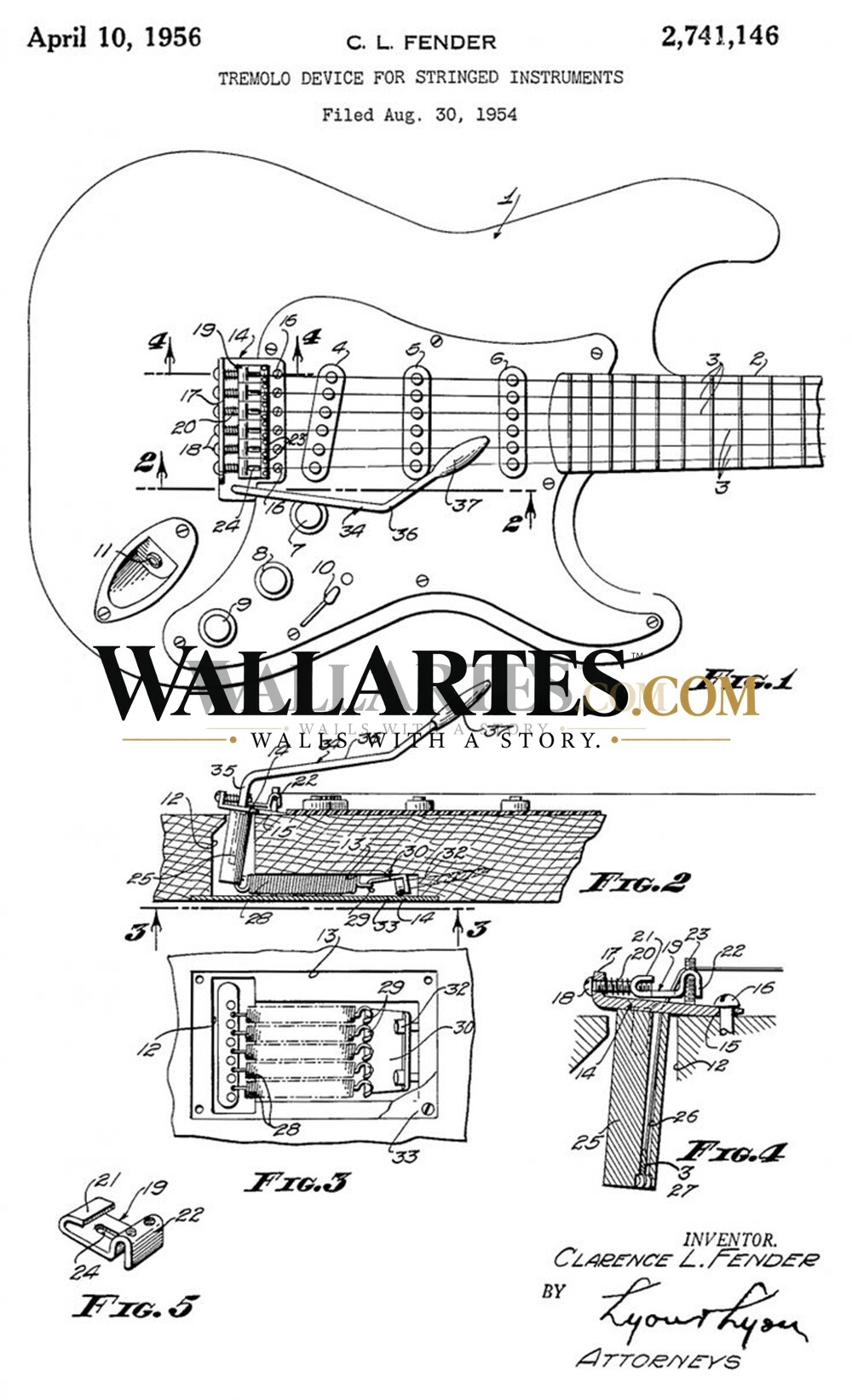
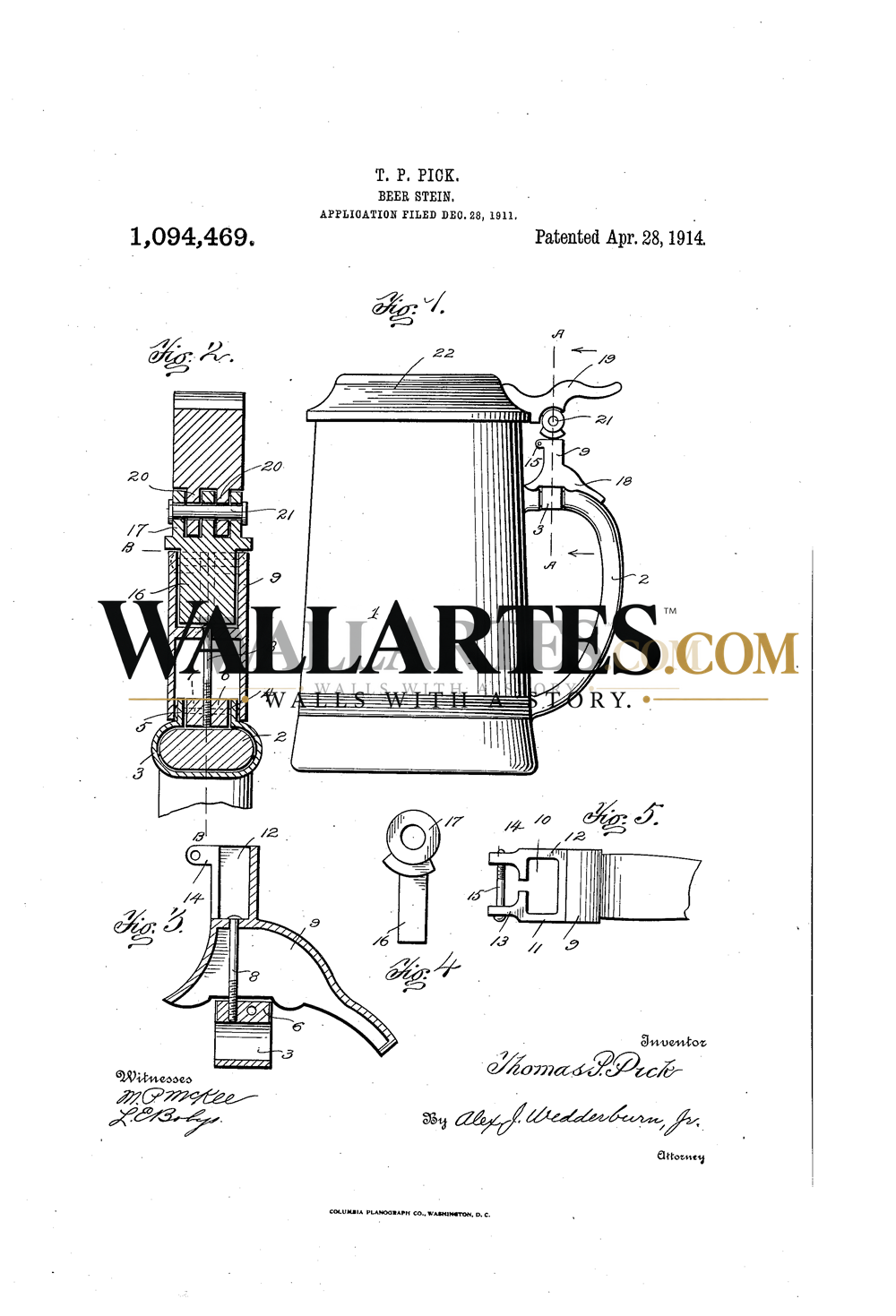
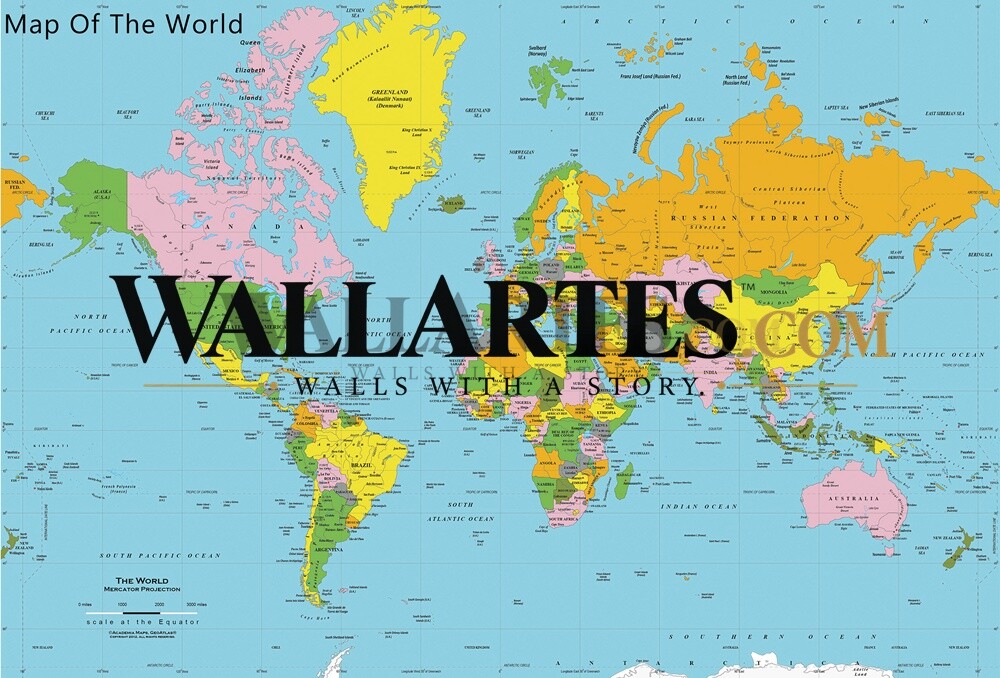
Consistent frames create rhythm across a series and help detailed images read clearly from a distance. Maps are especially effective at larger sizes because they reward both a quick glance and closer inspection. Patent collections offer the same benefit: graphic impact from across the room, then fascinating details up close.
Before committing, photograph the wall straight on. A visual mockup can confirm proportion, spacing, orientation, and finish. This is particularly valuable for commercial spaces where several people may need to approve the design.
Give a large wall a strong point of view. Explore the world map artwork, or send WALLARTES a photo for a free personalized wall mockup.